
Chairman-Mackenzie Okun
Mackenzie is a seasoned development strategist and community leader with 15 years of experience driving high-impact programs for organizations like CRS and the Omega Foundation. Inspired by his own upbringing in an underserved community, he specializes in sustainable agriculture, land reclamation, and water conservation. As a leader at Leafy Eco Adapt (LEA), he focuses on restoring critical ecosystems and empowering women and youth through green-economy initiatives to ensure long-term food security and climate resilience.

Treasurer-Mercy Awino
Mercy Awino is a Finance and Accounts Specialist with over 10 years of experience working with international NGOs and the private sector. As Treasurer of Leafy Eco Adapt (LEA), she ensures effective financial management and accountability. Her work focuses on empowering women and youth through sustainable agriculture training, maintaining strong financial integrity in managing grants and resources, and strengthening food security. She is driven by a commitment to resilience and building a transparent, inclusive green economy that supports vulnerable communities.
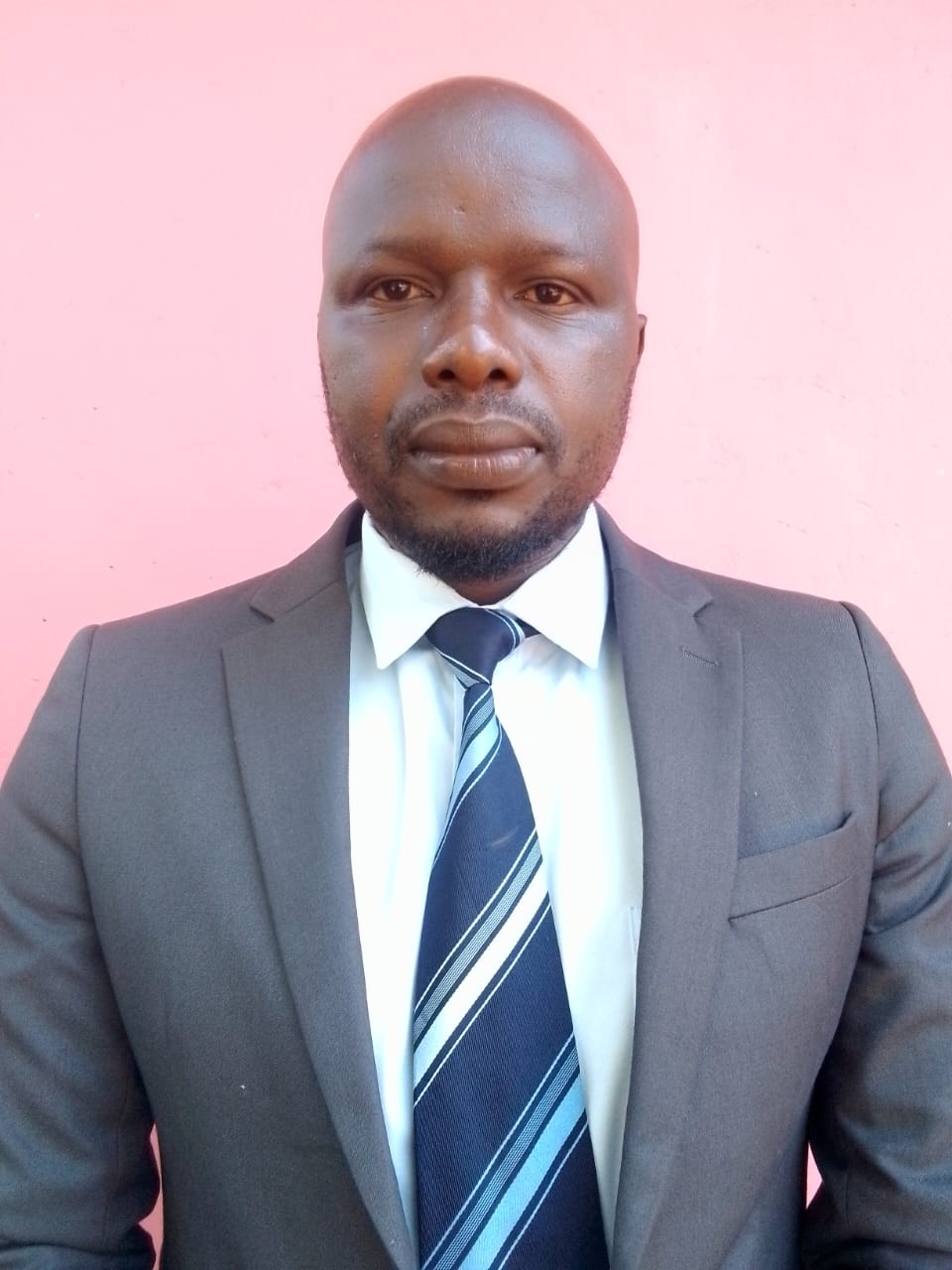
Secretary-Calvince Olweny
Calvince is an accomplished educationist and community mobilizer dedicated to advancing sustainable urban development. He leverages pedagogical expertise and grassroots leadership to drive food security initiatives, manage community programs, assess local needs, monitor project sustainability, and mobilize stakeholders to create resilient and impactful urban transformation.

Vitalis Akora -Founder Member
Vitalis Akora is a Founder Member and International Development Consultant with over 15 years of experience in policy, research, and strategic planning. As Technical Director of climatechange-hub.org, he provides key technical expertise and advocacy support for LEA’s climate adaptation programs. His work focuses on strategic organizational growth, climate change advocacy, market equity for marginalized communities, and ensuring data-driven, policy-backed environmental solutions that strengthen resilience and food security.

Irene Awuor -Founder Member
Irene is an educationist and social advocate committed to improving community well-being through education and sustainable nutrition. She focuses on welfare advocacy, school feeding programs, food preservation training, nutrition education, and promoting self-reliance, empowering vulnerable populations to achieve long-term health, stability, and independence.
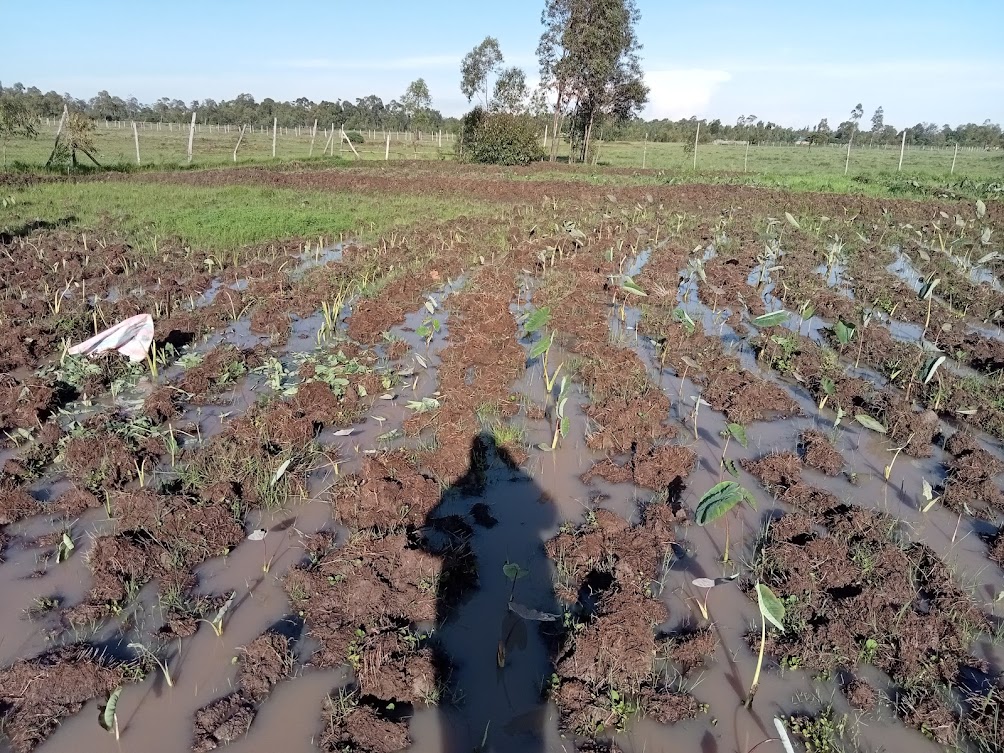
Transforming Landscapes into Livelihoods
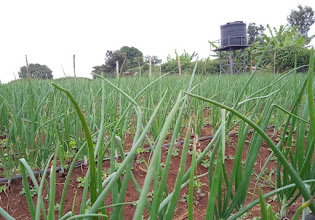
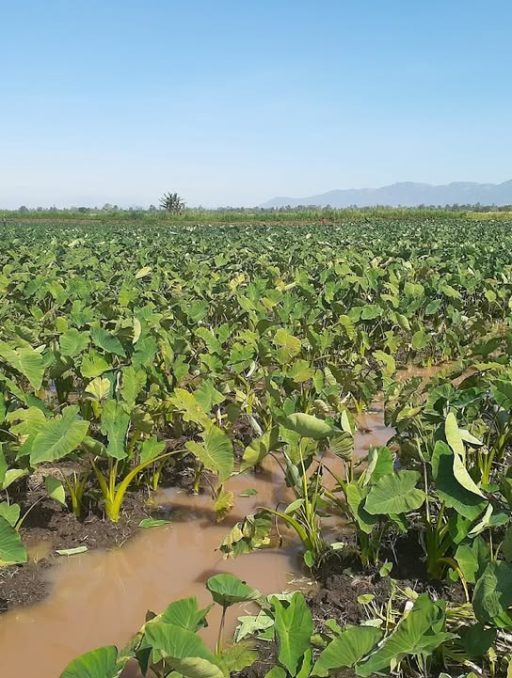
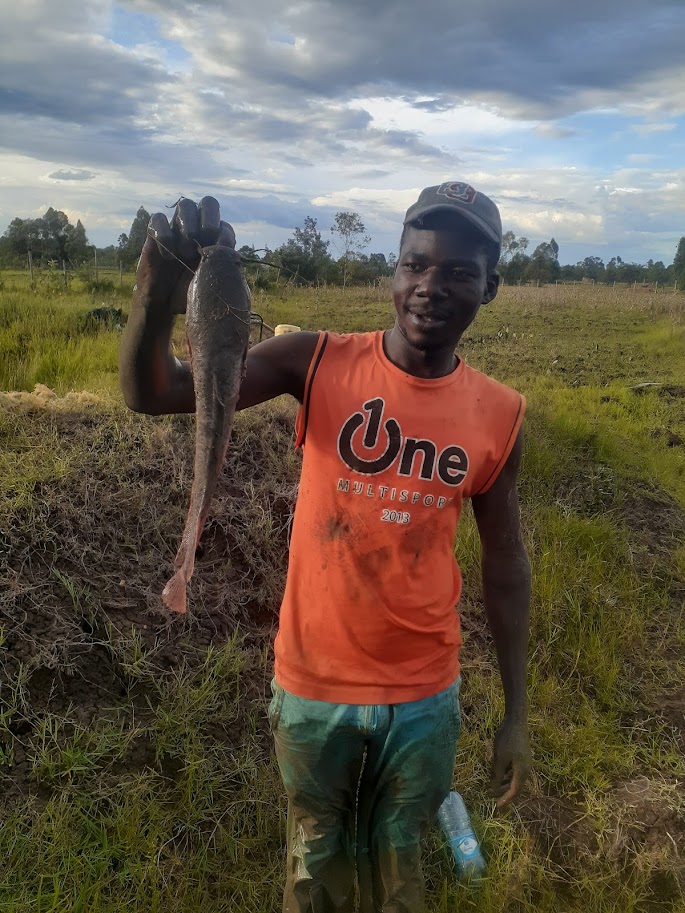
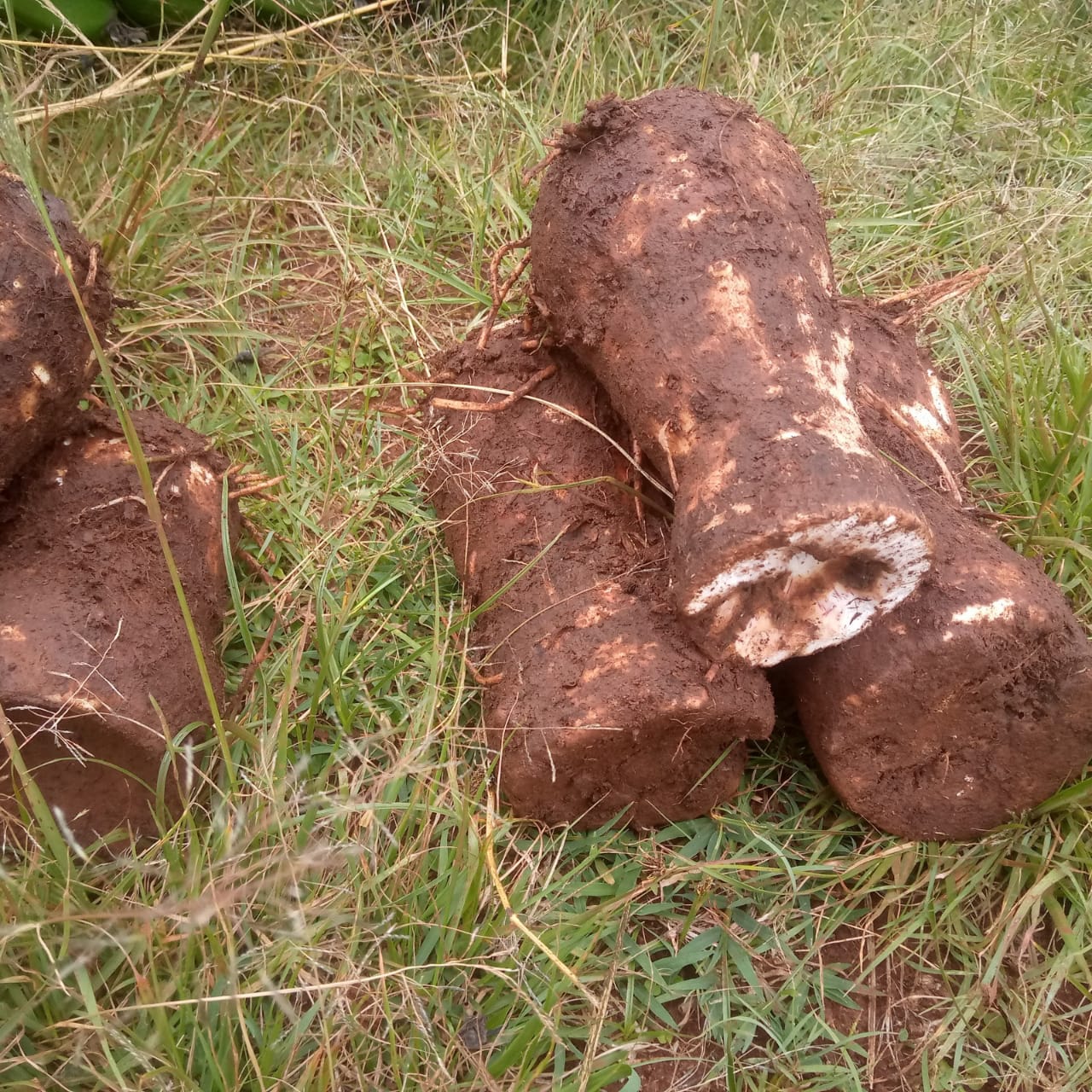
We transform degraded landscapes into productive community assets by combining ecological restoration with sustainable food production. Our approach focuses on four key areas: Reclamation & Restoration: Turning damaged wetlands and former industrial sites into fertile land for high-value crops like arrowroots. Climate-Smart Production: Improving yields of key vegetables such as onions and cabbages through regenerative soil practices. Integrated Aquaculture: Developing fish farming systems that supply protein while also enriching soils with organic nutrients. Long-Term Resilience: Strengthening biodiversity and water retention to sustain soil fertility and empower local communities over time.
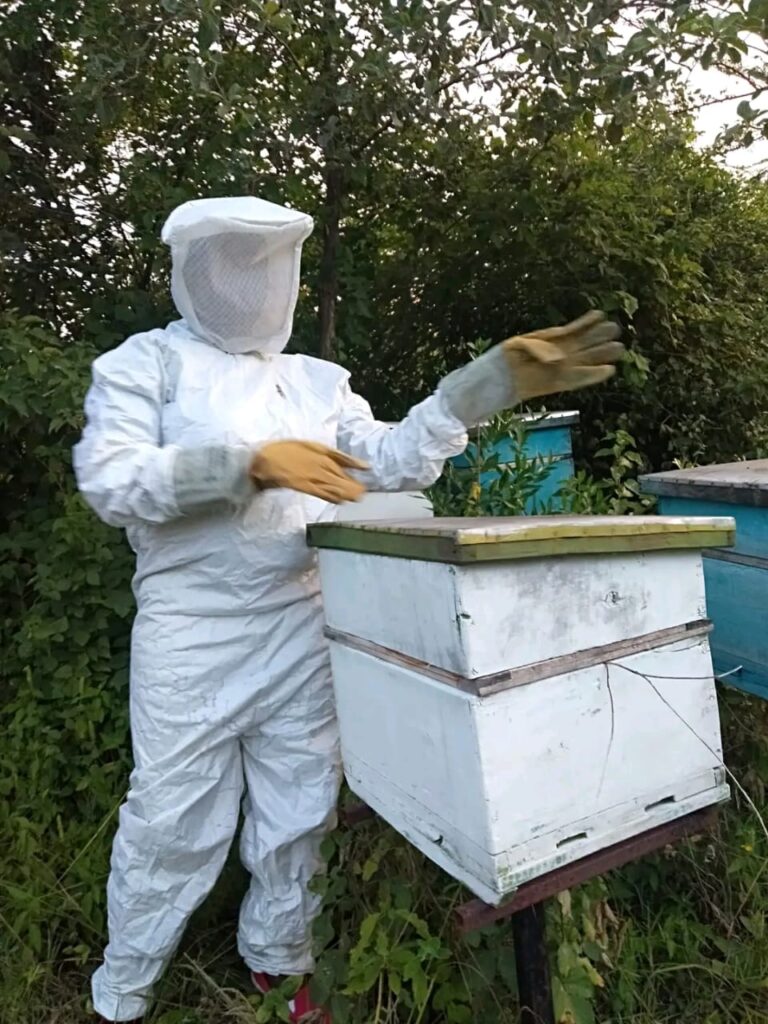
Empowering Communities Through Sustainable Beekeeping
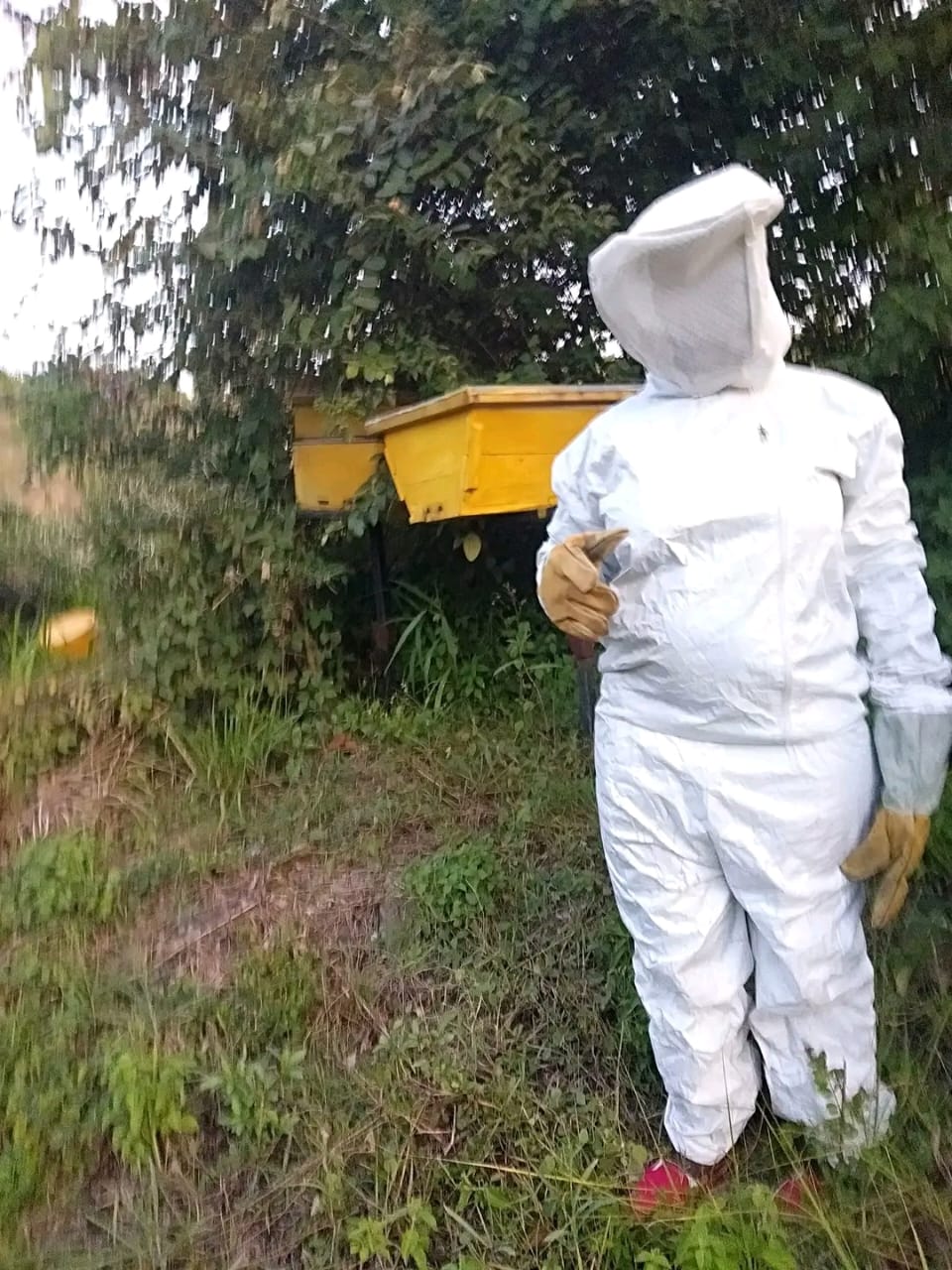
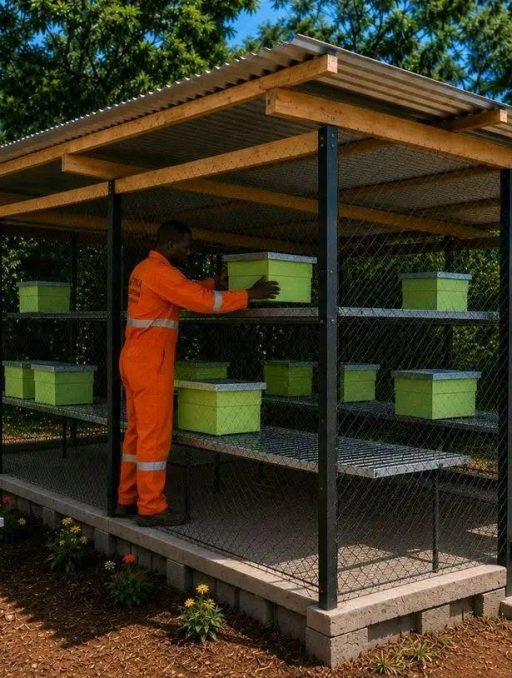
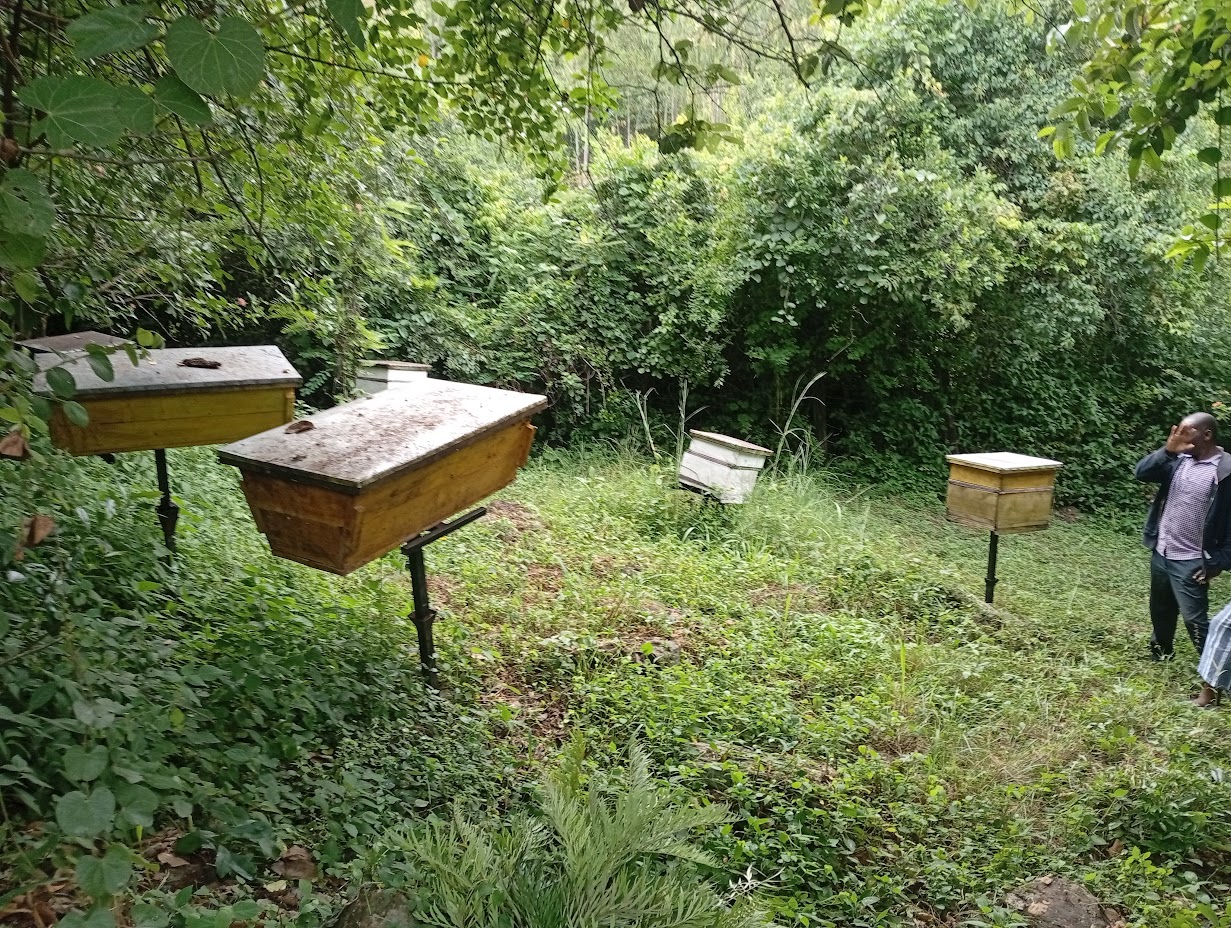
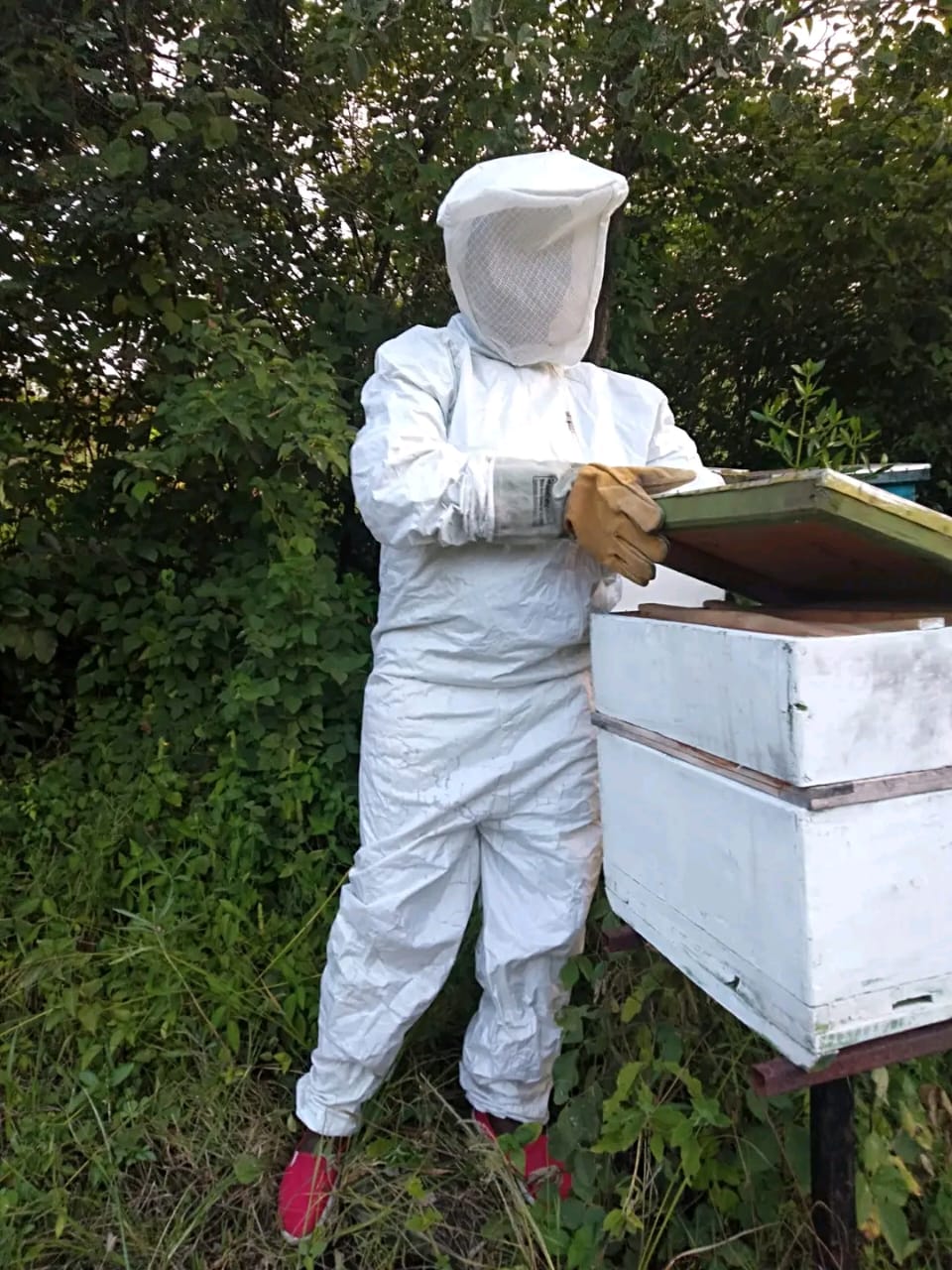
We empower women and youth to participate in the green economy through sustainable beekeeping that supports both livelihoods and environmental care. The program focuses on: Practical training: Equipping participants with skills in hive management and safe colony handling. Startup support: Providing essential tools and equipment to establish and run apiary enterprises. Economic & nutritional benefits: Generating stable income while improving household nutrition. Environmental impact: Enhancing pollination to increase crop yields and protect biodiversity. Overall, the initiative builds a resilient community of beekeepers who earn sustainable incomes while contributing to environmental conservation.
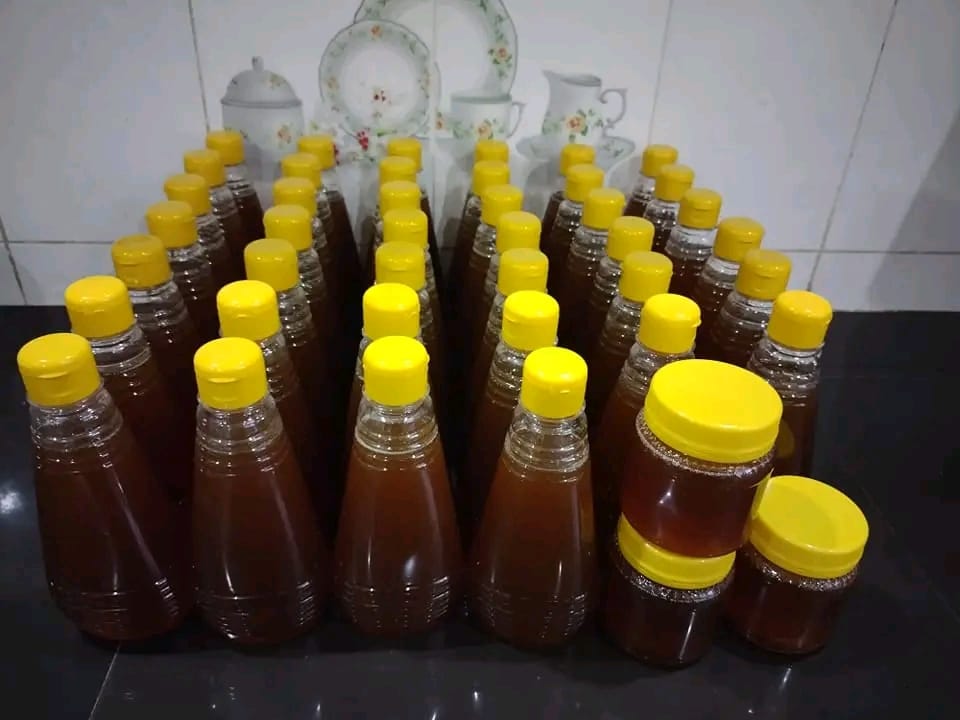
From Hive to Harvest: Sustainable Honey Production
We link food security to ecosystem health through community beekeeping. By producing organic honey and supporting pollination, the initiative promotes chemical-free farming, improves crop yields, strengthens nutrition and income security, and enhances climate resilience. It fosters a sustainable system where thriving biodiversity directly supports community well-being and agricultural productivity.
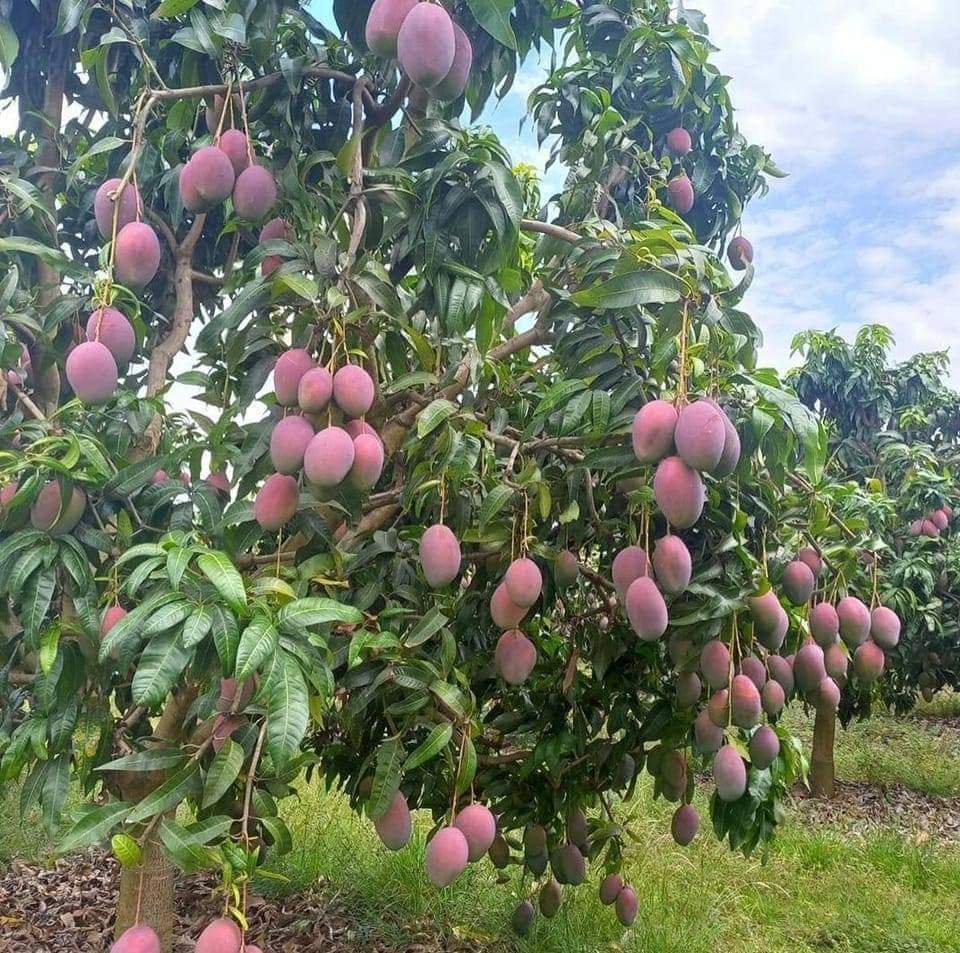
Nourishing Communities Through Mango Farming
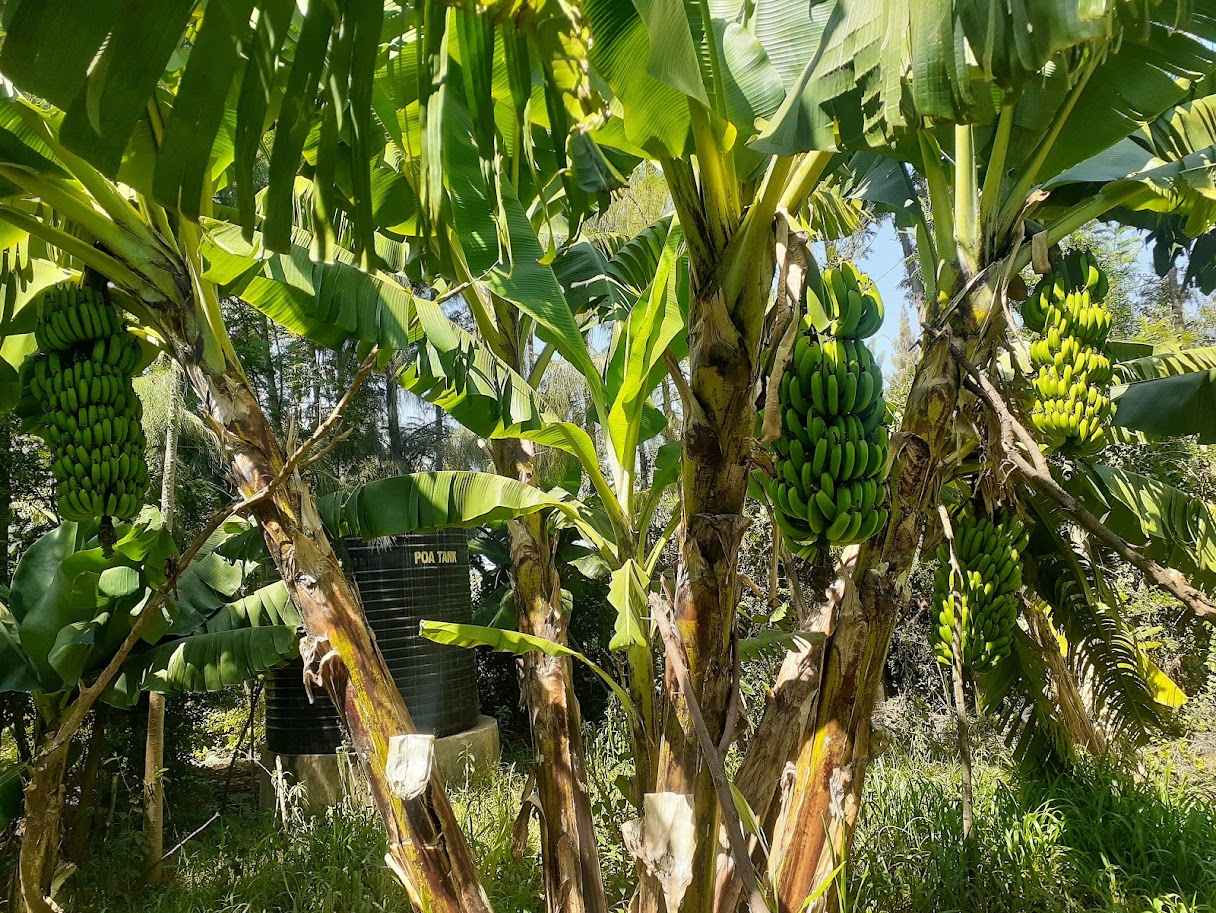
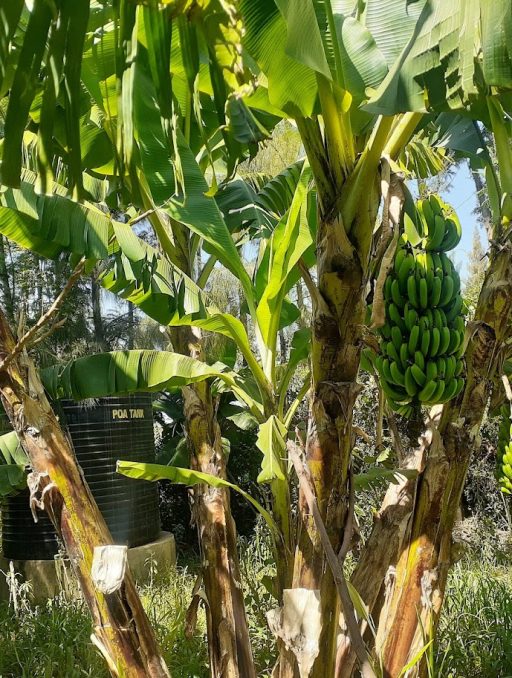
We promote mango farming as a sustainable solution to malnutrition and dietary diversity, recognizing the mango tree as a valuable source of essential nutrients. Through improved orchard management, nutrition-focused initiatives, preventative health strategies, and household training in fruit preservation, we empower communities to enhance food security, improve health outcomes, and build long-term resilience.
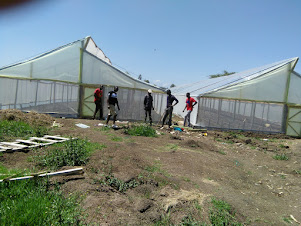
Cultivating Resilience: Community-Led Food Systems
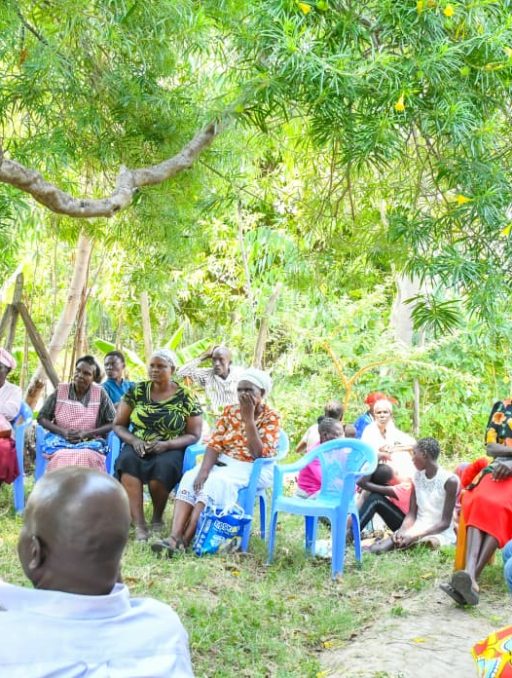
We strengthen community-led food systems by combining grassroots collaboration with modern agricultural practices. Through integrated food networks, climate-smart agriculture training, and sustainable farming techniques such as soil restoration, crop diversification, and eco-friendly pest management, we enhance food security, boost productivity, and promote long-term community resilience.
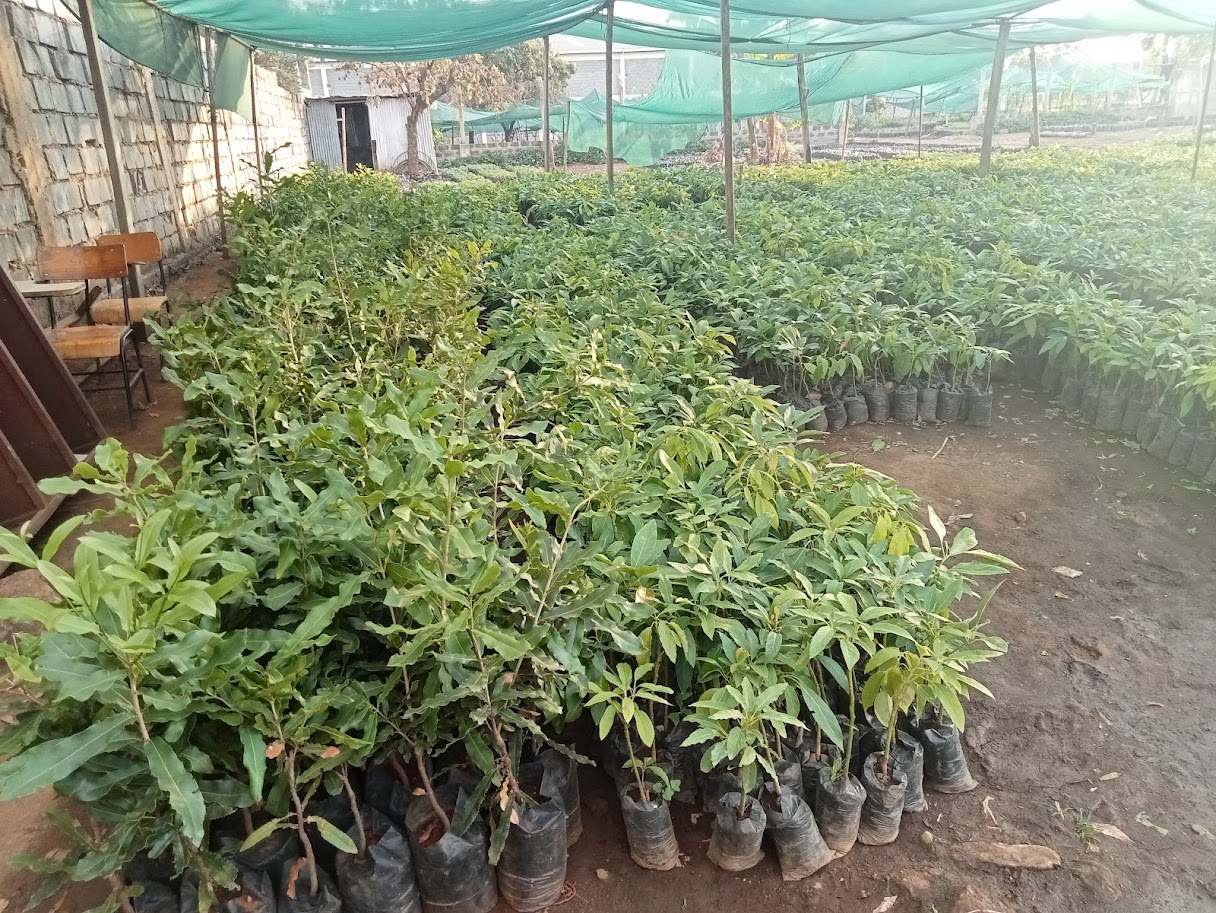
Regenerating Our Landscapes: Reforestation & Afforestation
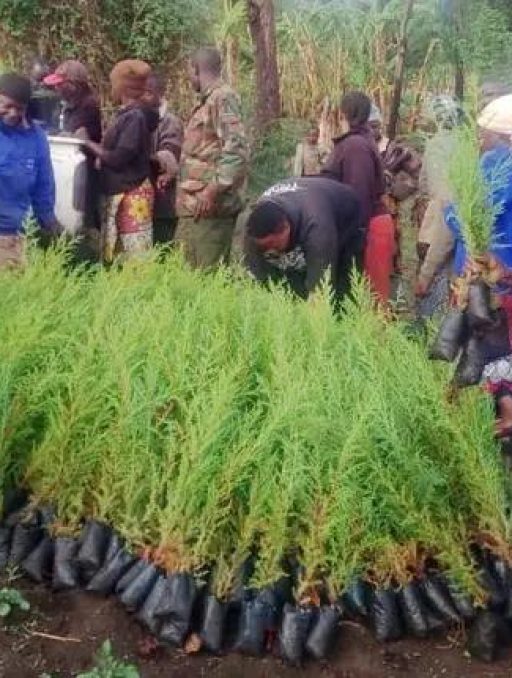
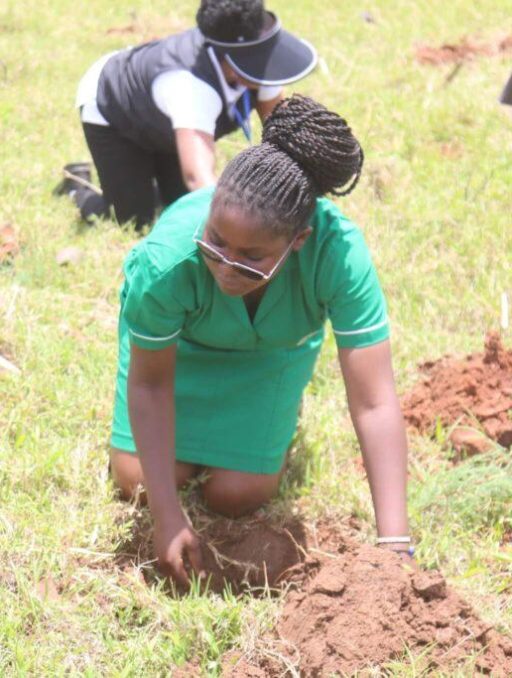
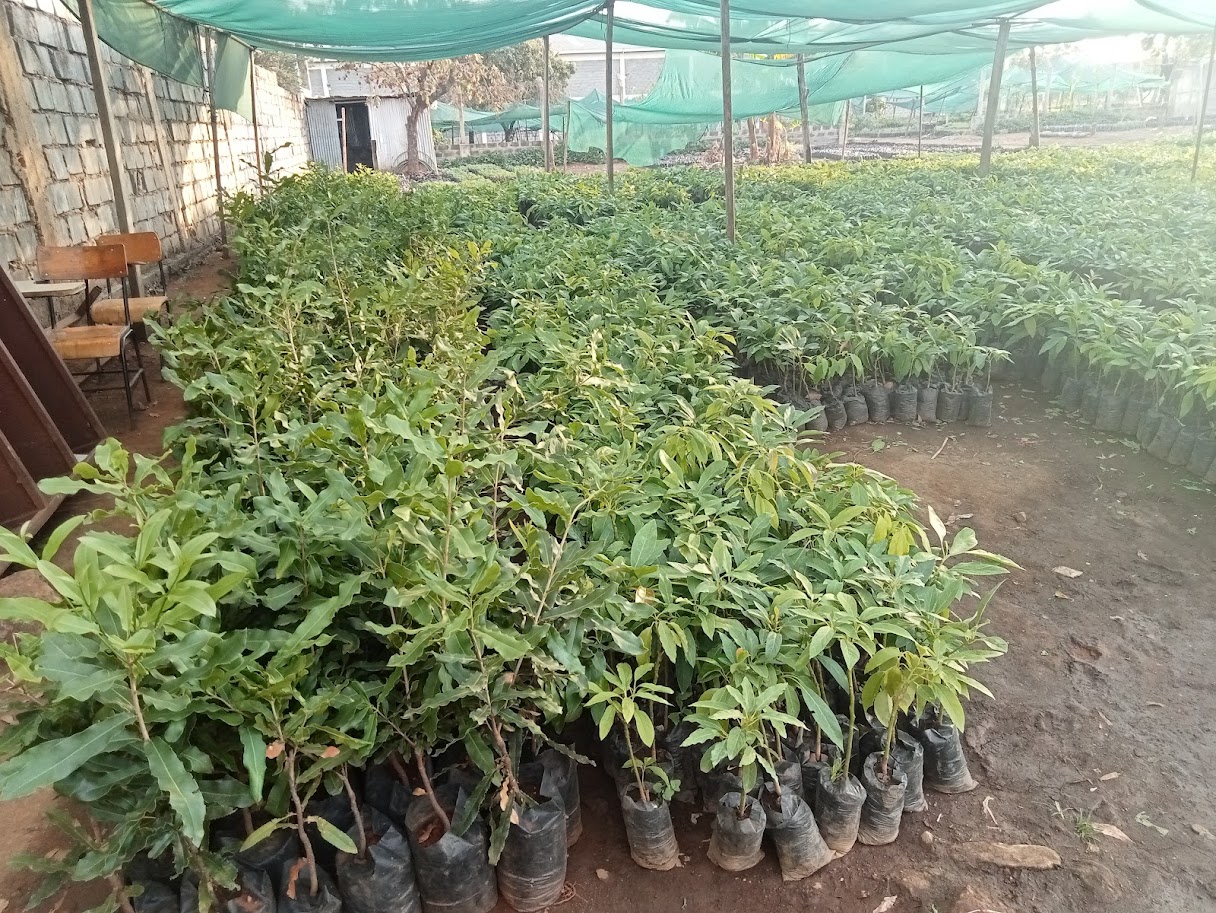
The Tree Seedlings Project is a science-based initiative focused on restoring forest cover and strengthening climate resilience. Through reforestation, production of quality indigenous seedlings, climate change mitigation, and active community involvement, the project promotes environmental sustainability while empowering local communities and securing natural resources for future generations.
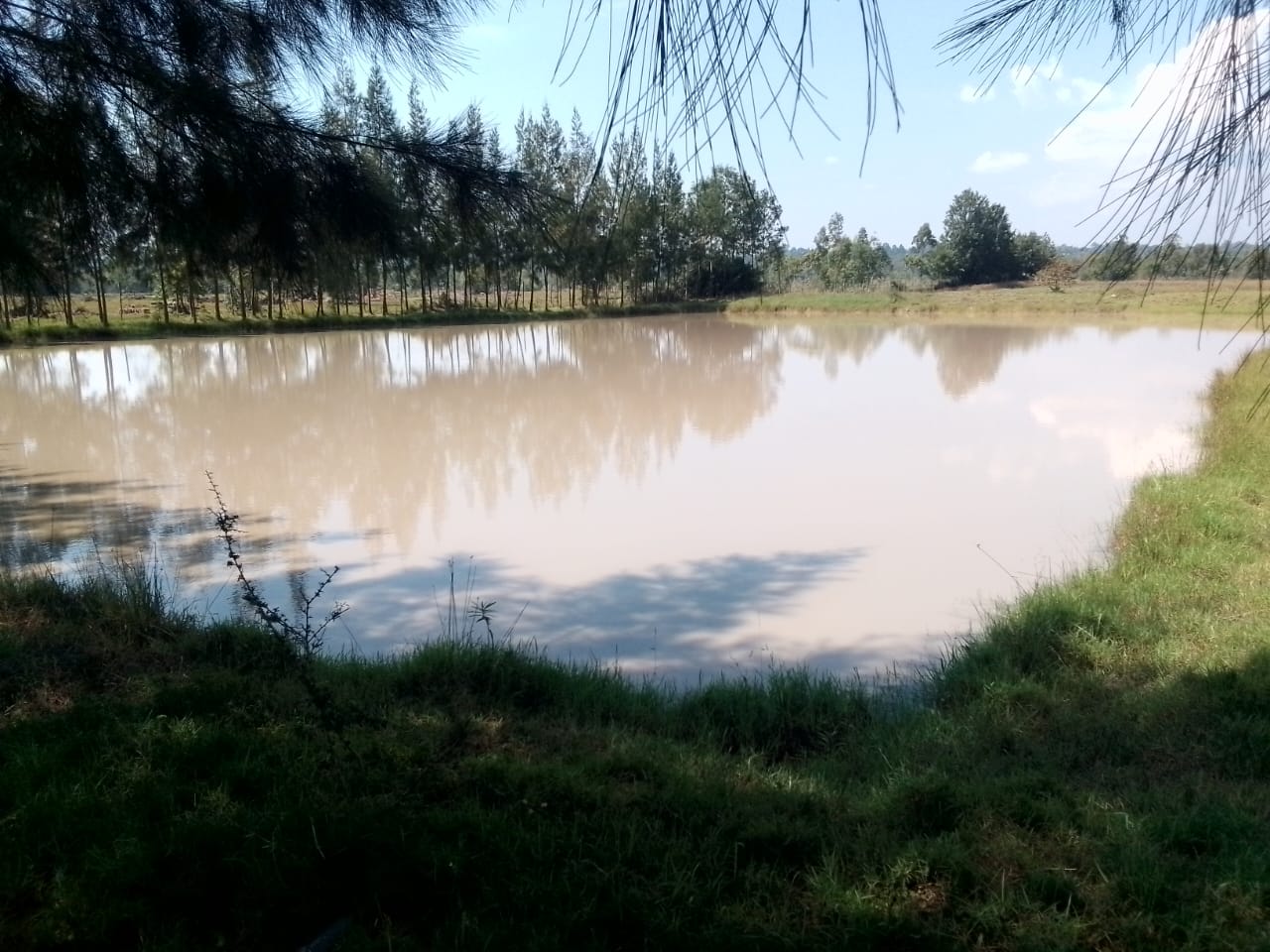
Strategic Water Reservoirs: Driving Irrigation & Aquaculture
We develop multi-purpose water dams to enhance climate resilience and strengthen community food security. By storing water for irrigation, fish farming, drought mitigation, and efficient distribution, these projects support sustainable agriculture, improve nutrition, conserve ecosystems, and provide communities with reliable resources to thrive despite changing climate conditions.
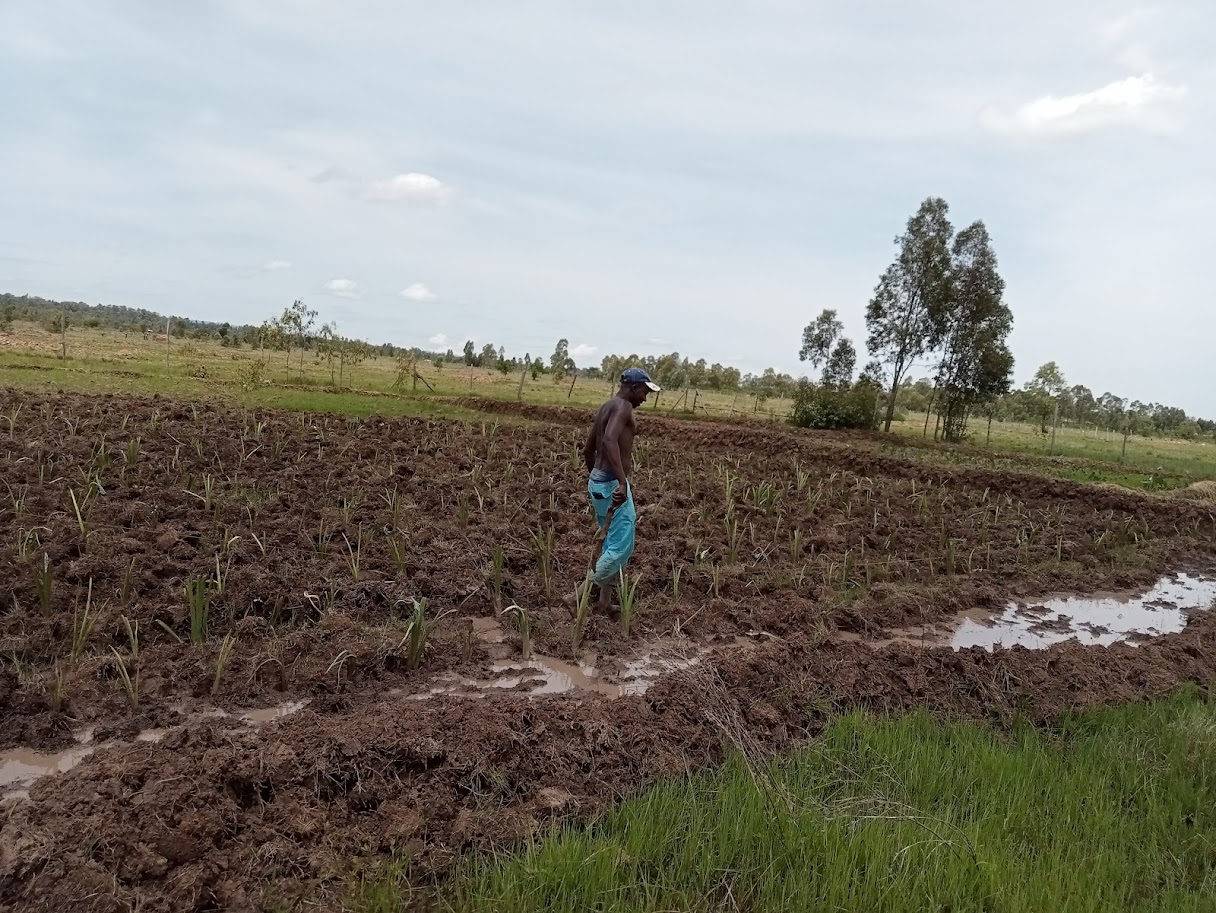
Restoring the Earth: Youth-Led Wetland Reclamation
This initiative empowers youth to restore land degraded by brick-making through sustainable arrowroot cultivation. By transforming exhausted sites into productive farmland, providing technical training, creating livelihood opportunities, and promoting ecosystem recovery, the project fosters environmental restoration, food security, and youth-led climate resilience.
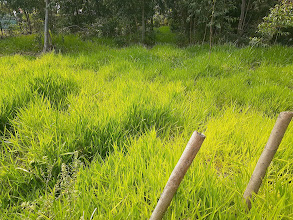
Sustainable Livestock Nutrition: Fodder & Hay Production
We promote sustainable animal nutrition as a key pillar of resilient farming systems by integrating nutrient-rich fodder production with effective preservation practices. Through the cultivation of climate-smart fodder crops, strategic hay production, year-round feed storage, soil and water conservation, and farmer empowerment, we enhance livestock productivity, reduce feeding costs, and strengthen the economic resilience of farming communities.
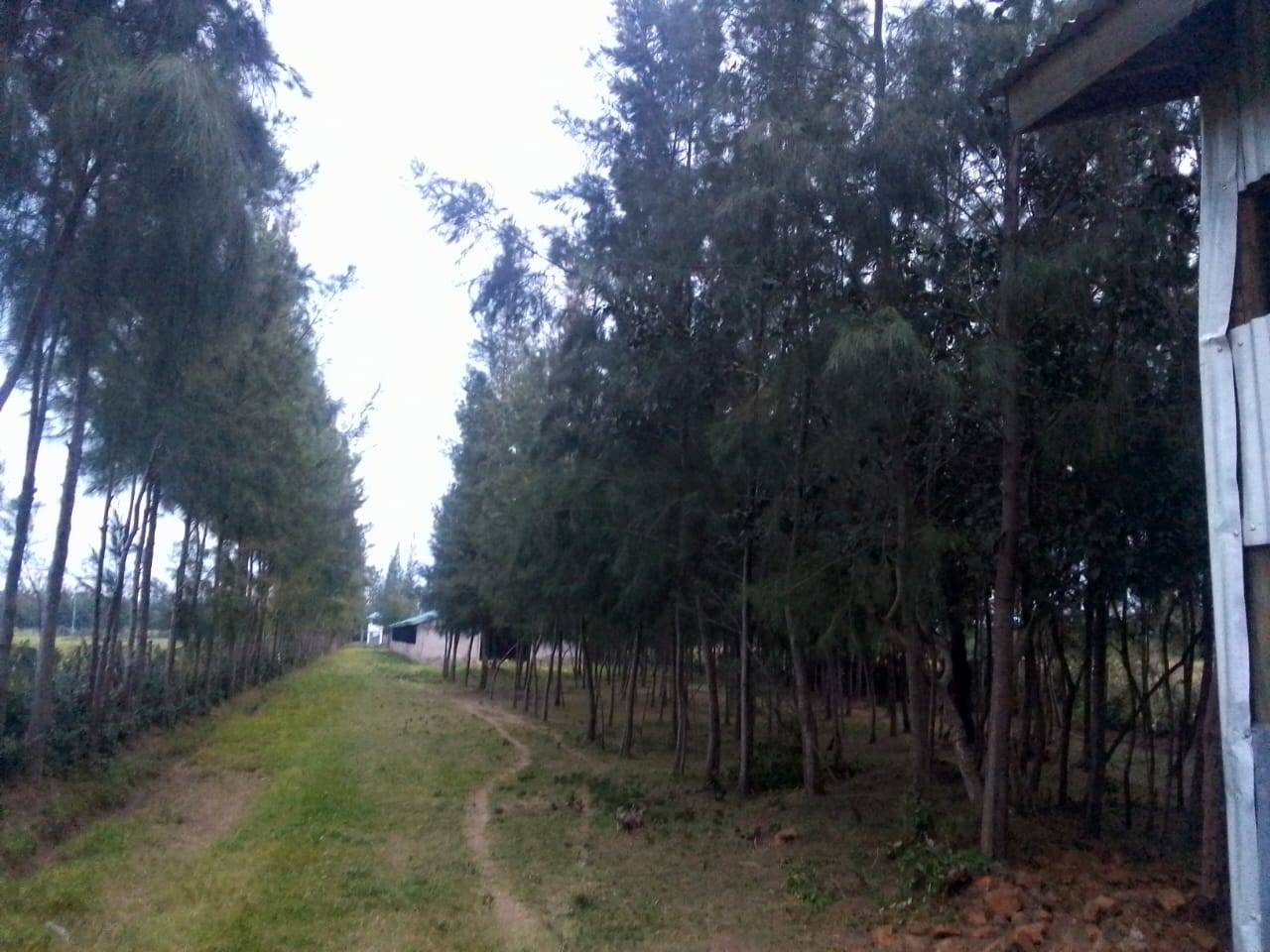
Reforestation through Restoration: Healing the Scars of Industry
This initiative restores land degraded by brick-making activities through reforestation and ecological rehabilitation. By reclaiming excavation sites, rebuilding soil health, planting indigenous trees, enhancing water systems, and promoting carbon sequestration, the project transforms damaged landscapes into sustainable ecosystems that support climate resilience and environmental recovery.
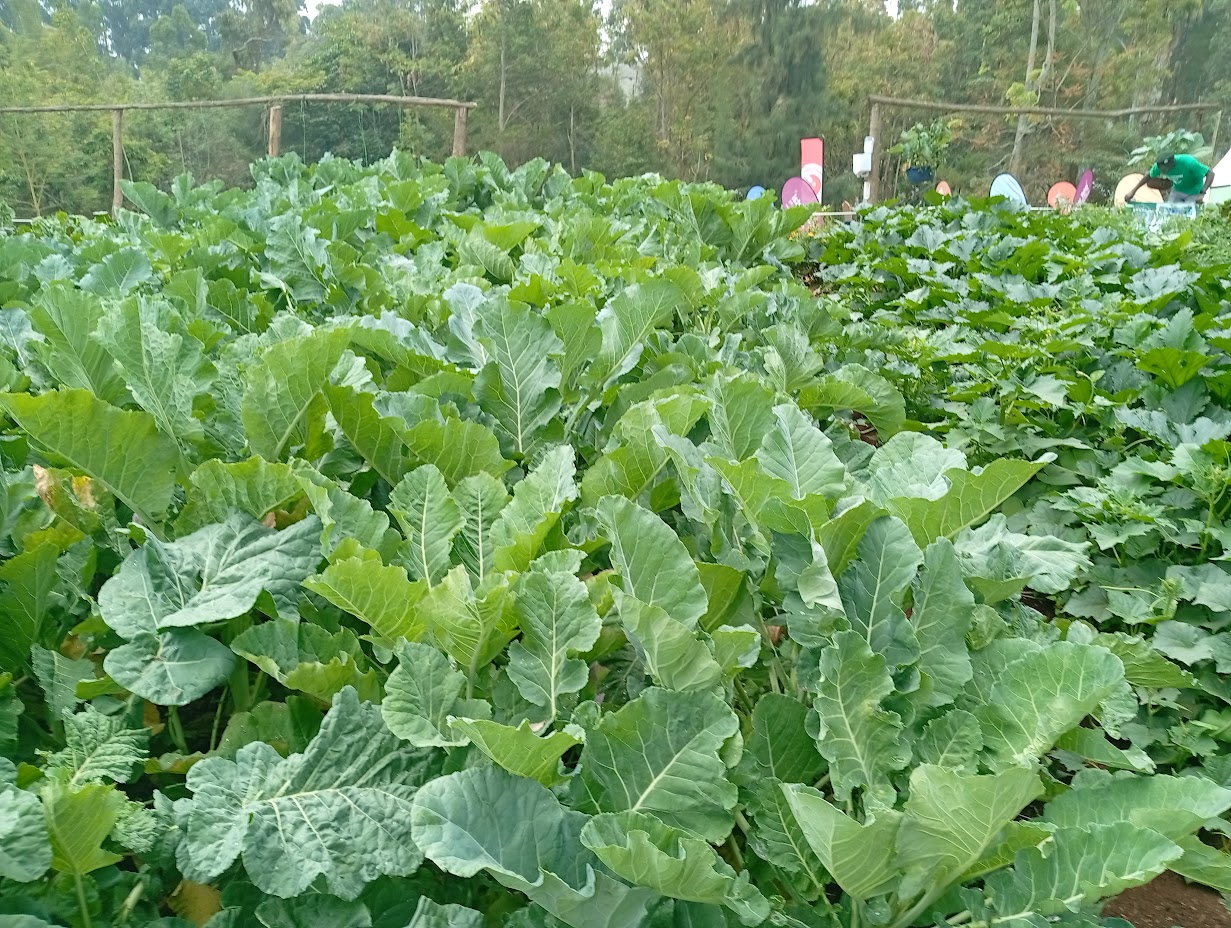
Kale, popularly known as Sukuma Wiki in East Africa
Kale is a nutritional powerhouse and a cornerstone of food security. At Leafy Eco Adapt (LEA), we promote kale farming not just as a source of food, but as a gateway to sustainable agriculture and climate resilience.
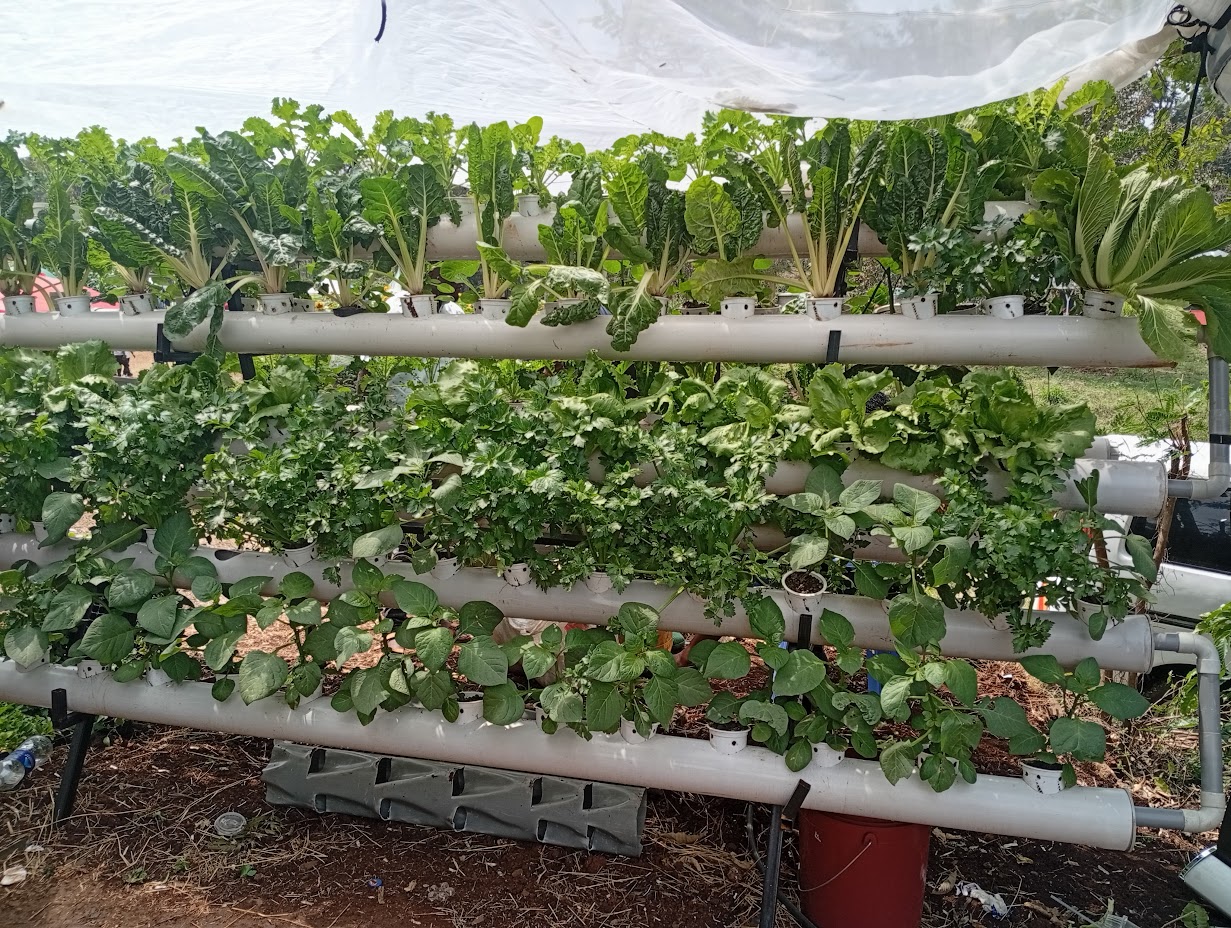
Vertical & Hydroponic Gardening: Using Plastic Pipes for Domestic Food Production Using plastic pipes
Specifically food-grade PVC—is one of the most efficient ways to grow food in limited spaces. Whether you live in an urban setting with only a balcony or a rural area with poor soil, pipe-based systems allow you to maximize your harvest using minimal water and space. At Leafy Eco Adapt (LEA), we advocate for these systems as a key strategy for urban nutrition and climate-resilient home gardening.